
William Dawes' Final Resting Place
🔗A Long-standing Error Corrected
"He was carried on men's shoulders a distance of a quarter of a mile to the old meeting-house [in Marlboro], where there were services, previous to his being taken to Boston for interment" in the King's Chapel Burying Ground.
— Henry Holland, William Dawes and His Ride with Paul Revere, 1878
With these words, Dawes descendant Henry Holland described William Dawes' burial following his death in 1799. Holland also initiated a misunderstanding that has persisted for 130 years. Historians did not think to question the assertion that Dawes was buried at the King's Chapel Burial Ground, which had been a "burying place" since Boston's first settlement in 1630. Note, in the passage cited above, that Holland quotes (without identifying the source) information about the services and Dawes's body being taken to Boston, but does not quote the information about the burial location. This suggests that he was not fully confident that King's Chapel was indeed where Dawes was buried. We will never know where Holland got that information — whether from a document or based on oral tradition — or whether he simply assumed, understandably, that Dawes was buried in the Dawes tomb.
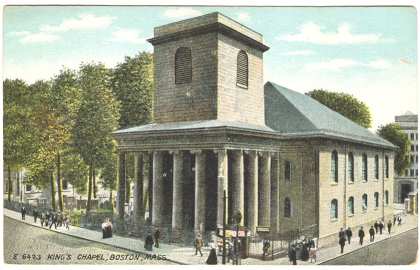
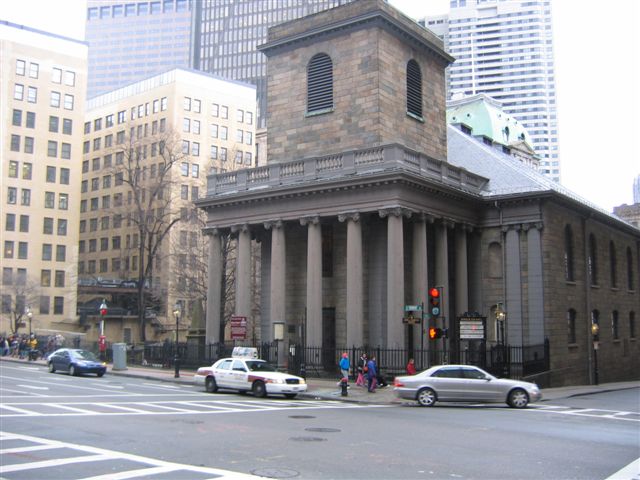
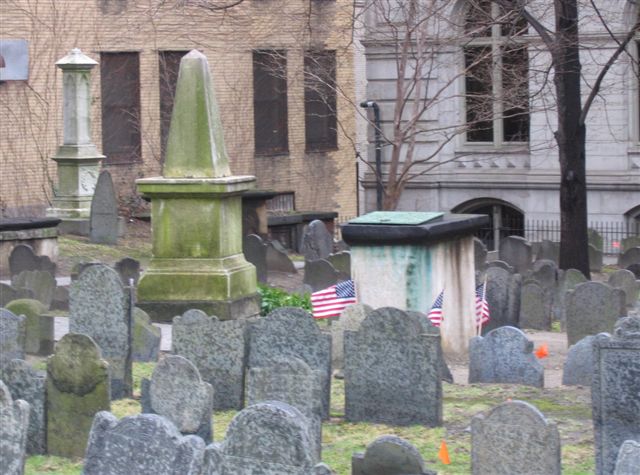
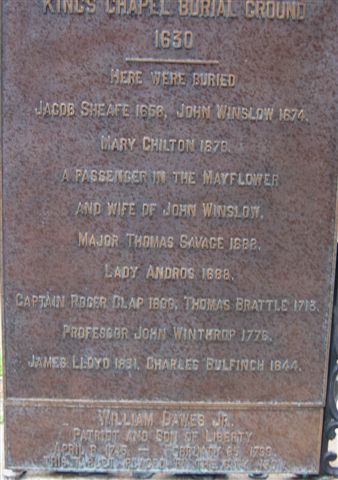
In hindsight, a careful reading of that passage could have tipped us off that the information was suspect, but instead, it became received truth. In 1899, the Massachusetts Society of the Sons of the Revolution, during a period when that organization was zealously marking graves of patriots, including Samuel Adams and the "Boston Massacre" victims, placed a marker on the Dawes tomb at King's Chapel. Two years later, in 1901, the City of Boston added William's name to a plaque on the cemetery gates that lists the eminent persons buried within. And in 1943, Mary Walton Ferris, a professional genealogist, compiled a volume entitled, Dawes and Allied Families, which discussed this Dawes line from arrival of the first in America in 1635 to the 20th century. Ms. Ferris seemingly did not investigate the account by Holland, accepting it as the final word on William Dawes' burial location.
But all this changed in 2007, when local historian Al Maze discovered documentary evidence of the actual location of the remains of William Dawes Jr. It was not King's Chapel. Based on Maze's discoveries, Ron Fletcher brought the news to the attention of Boston Globe readers in an article entitled, "Who's buried in Dawes's Tomb?" Charles Bahne, another Bostonian and a true history detective, has pieced together other evidence to help explain this mistake. In light of this new and compelling evidence, we must conclude that we were wrong all these years. None of the Dawes tombs (see below) at King's Chapel ever contained the remains of William Jr. Moreover, after his initial burial, William's remains were subsequently moved no less than two times! But first, let's deal with one obvious question.
🔗Who Was Buried in the Dawes Tomb(s)?
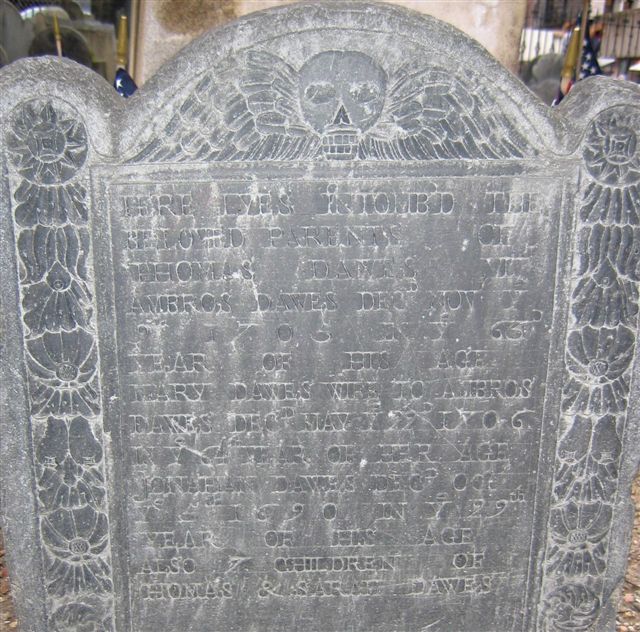
There is not just one Dawes tomb at King's Chapel: there are three! The oldest of them was established in 1820 by Thomas3 Dawes (1680-1749), third in the line of the American Dawes's and grandfather of William5 Jr. A stone marker at this tomb lists those buried: Thomas's parents, Ambros(e)2 and Mary; Ambrose's brother Jonathan2; Thomas3 and his wife Sarah, and seven of their children. This marker is located next to the simple tomb structure long thought to contain or mark the remains of William, Jr., and which bears the plaque that was placed in 1899.
🔗Dawes tomb marker
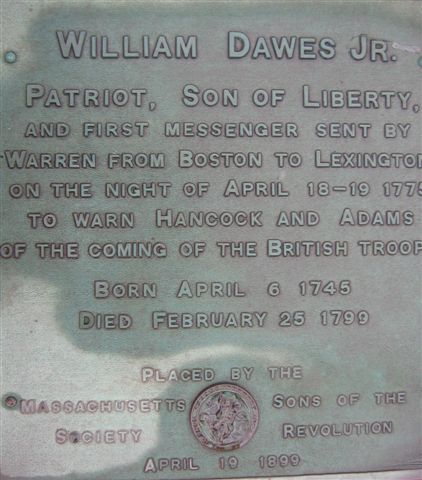
🔗Cemetery gates plaque
🔗Dawes ancestors' stone
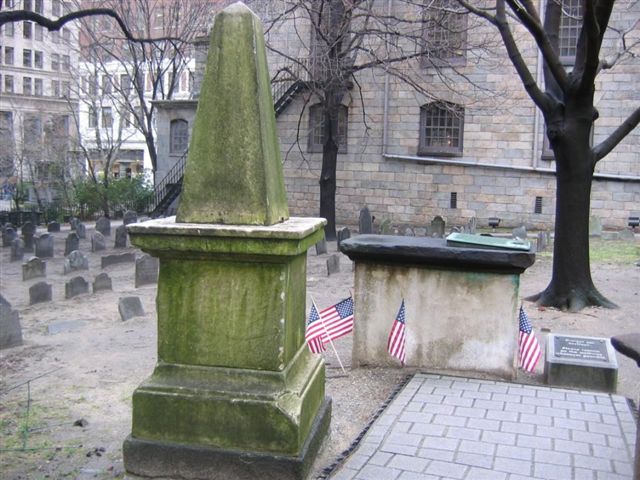
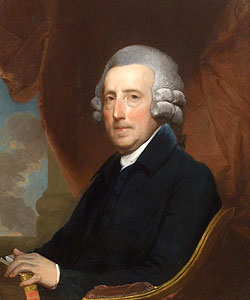
A second tomb is near the first and is marked by a tall obelisk erected in memory of Col. Thomas5 Dawes. This Thomas was another grandson of the Thomas3 who erected the first tomb, and was thus a cousin of William Jr. Known as "Boston's patriot architect," Thomas5 was a significant figure in Boston architectural and political history. He worked on remodeling of Faneuil Hall and the old State House, and on construction of the new State House and several buildings at Harvard University. He was active in the Revolution, and during their lifetimes, Cousin Thomas was better known in Massachusetts than William Jr. His portrait was painted by the famous American painter, Gilbert Stuart. Thomas died in 1809.
🔗Thomas Dawes obelisk
🔗Cousin Thomas Dawes
The third gravesite at King's Chapel is a new discovery by Charlie Bahne, and a real surprise! A line of 22 tombs lies along the eastern, or rear, edge of the burial ground. Several markers are missing, and most are at least partially buried. After consulting records old and recent, Charlie has found that grave number 14 belonged to William Dawes or "Daws". Today, only the top line of engraving on the stone — "No. 14" — is visible. Because evidence has now been found (see below) that William Jr is buried elsewhere, it seems certain that this marker refers not to William5 Who Rode, but to William4 Sr., his father. William Sr. died in November, 1802, over three and a half years after the death of William Jr.
🔗Eastern edge of King's Chapel Burial Ground
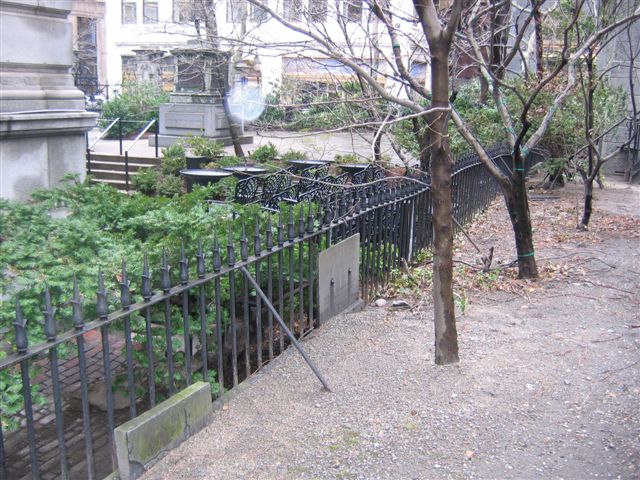
🔗William Dawes Sr. stone
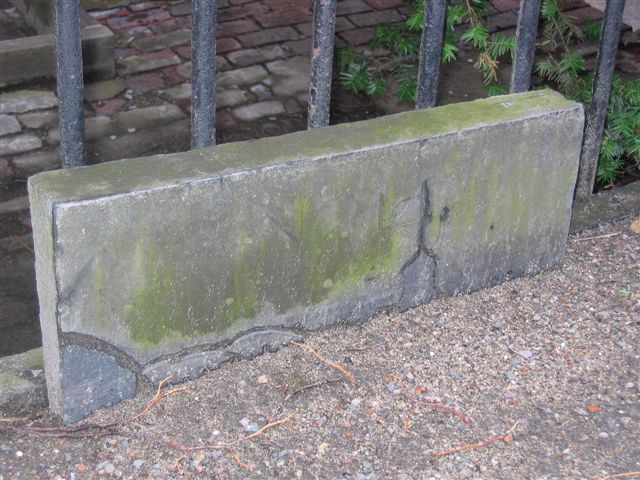
Why is it that neither William Sr. nor William Jr. were buried in the tomb established by Thomas3 Dawes in the center of the Burying Ground? One possibility: by the time of their respective deaths, 1802 and 1799, the tomb may have been full. The more likely explanation is that ownership of that tomb would have passed to William Sr.'s older brother, Story4 Dawes (William Jr.'s uncle), and thus may have been available only to direct descendants of Story, not to either of the two Williams4 or 5. Now, on to the final part of the puzzle: If this third gravesite is where William Sr., not his son, was buried in 1802, then where was William Who Rode laid to rest in 1799?
🔗The Three Burial Locations of William, Who Rode
New Evidence Reveals the Following Sequence of Events
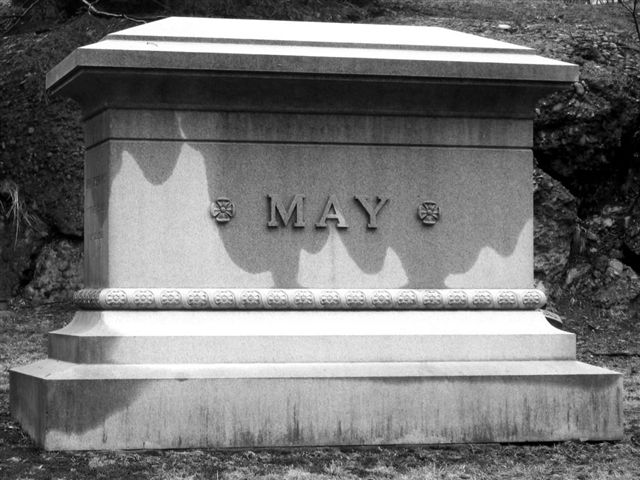
- William Jr. was initially buried, in 1799, in the May family tomb in the Central Burying Ground, which is in a corner of Boston Common and was used as a burial site beginning in 1756. The May tomb was established prior to 1810, probably in the 1790s, by Samuel May and his brother Ephraim. Samuel was the father of Mehitable May, the first wife of William Jr., who had died in 1793 and was buried in the May tomb. As to why William was buried in his first wife's family tomb while his second wife, Lydia Gendell Dawes, was still living, we have no certain information. One can speculate that the family of Mehitable, who bore six children in their 25 years of marriage, continued to feel a strong connection with William after Mehitable's death. William had been married to Lydia less than four years at the time of his death. The original location of the May tomb was near the boundary of the cemetery, a spot that is now just outside the fence of the Burying Ground.
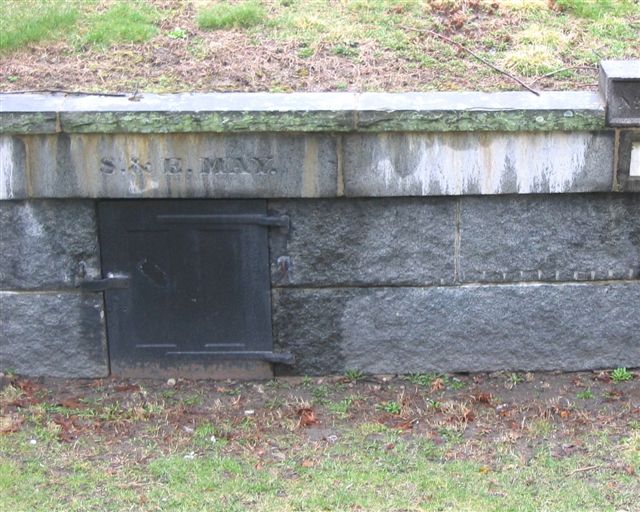
🔗Central Burying Ground
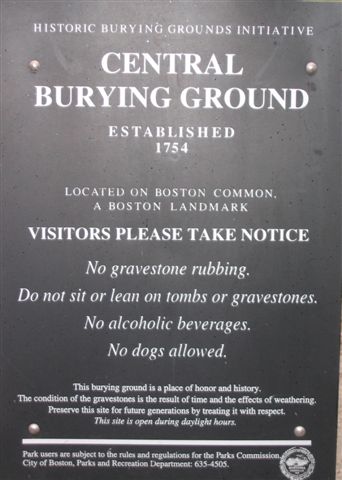
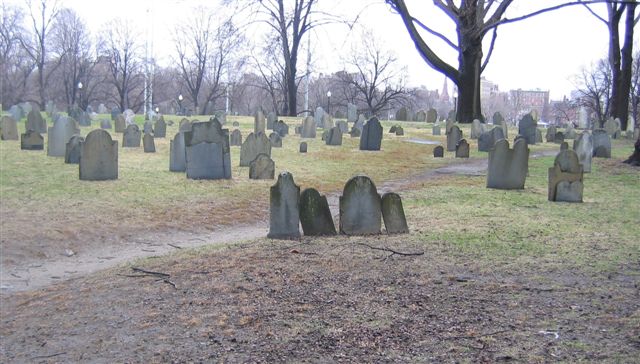
🔗Original May tomb location
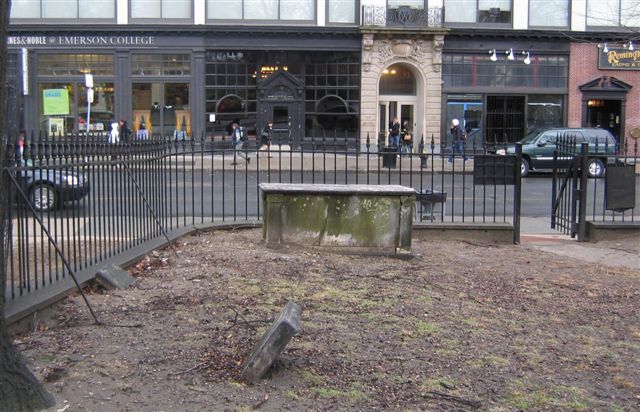
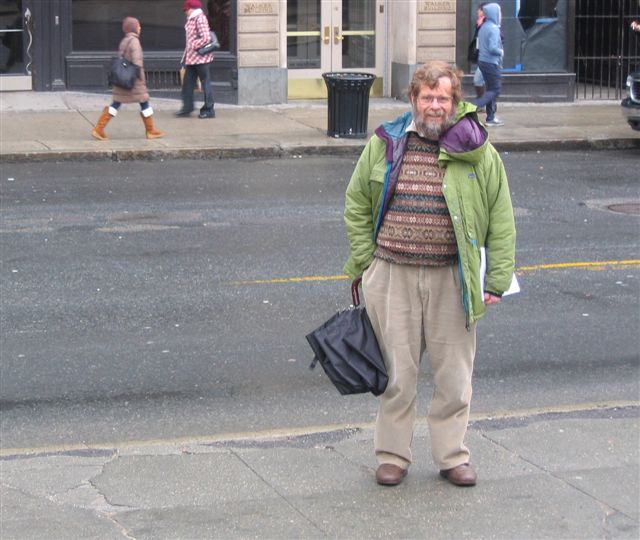
-
In about 1836, the May family tomb was one of several moved to make way for construction of the Boylston Street Mall. They were relocated to another location in the Central Burying Ground, a sunken area called the "Dell". The May tomb, which had orginally been numbered 122, was assigned the new number of 131, and it bears the inscription "S. & E. May" — that is, Samuel and Ephraim May.
-
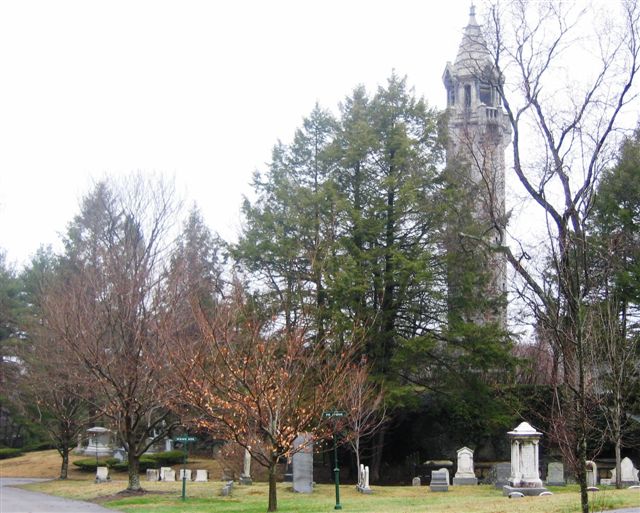
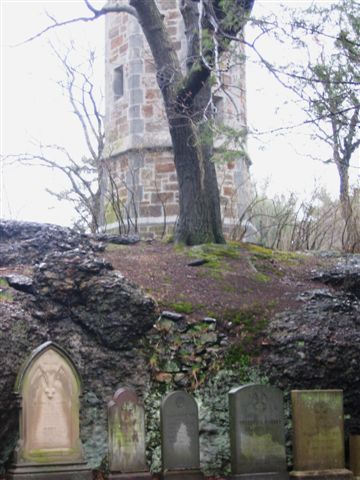
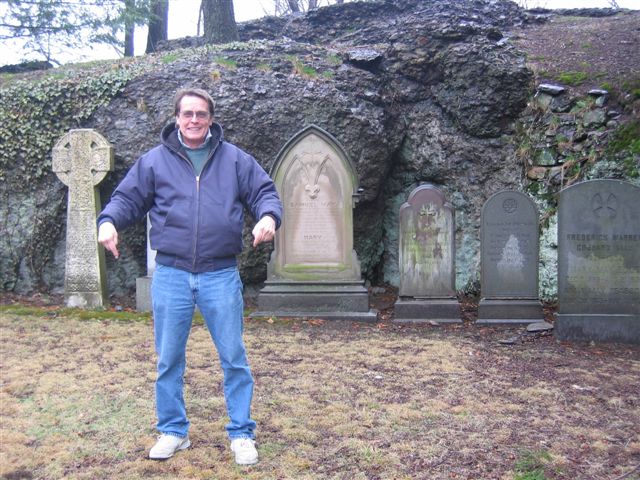
At last, a final resting place! Eighty-three years after his death and 46 years after transfer from one tomb to another within the Central Burying Ground, the remains of William Dawes Jr. were transferred to Forest Hills Cemetery. Located in the Jamaica Plain area of southwest Boston, this cemetery had been established in 1848, and the May family transferred all remains to a new family tomb there. This tomb contains the remains of 31 individuals who were brought from the Central Burying Ground in 1882, and an additional 19 persons were buried at this site from 1888 to 1943. There is no individual marker for William Dawes Jr.
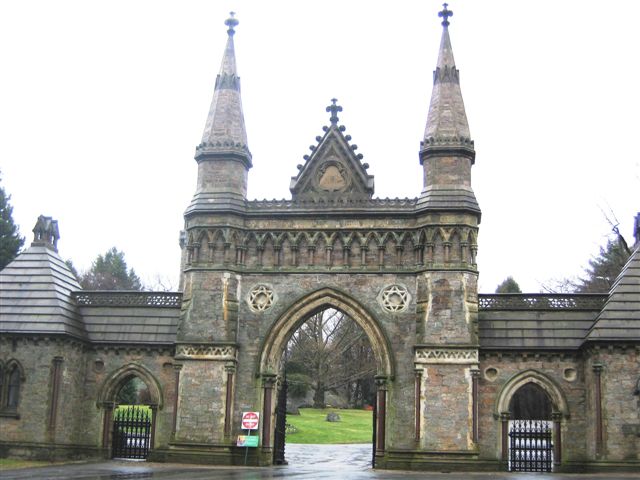
🔗May family tomb at Forest Hills
🔗The Evidence
Al Maze discovered four pieces of documentary evidence in the archives of the Forest Hills Cemetery.
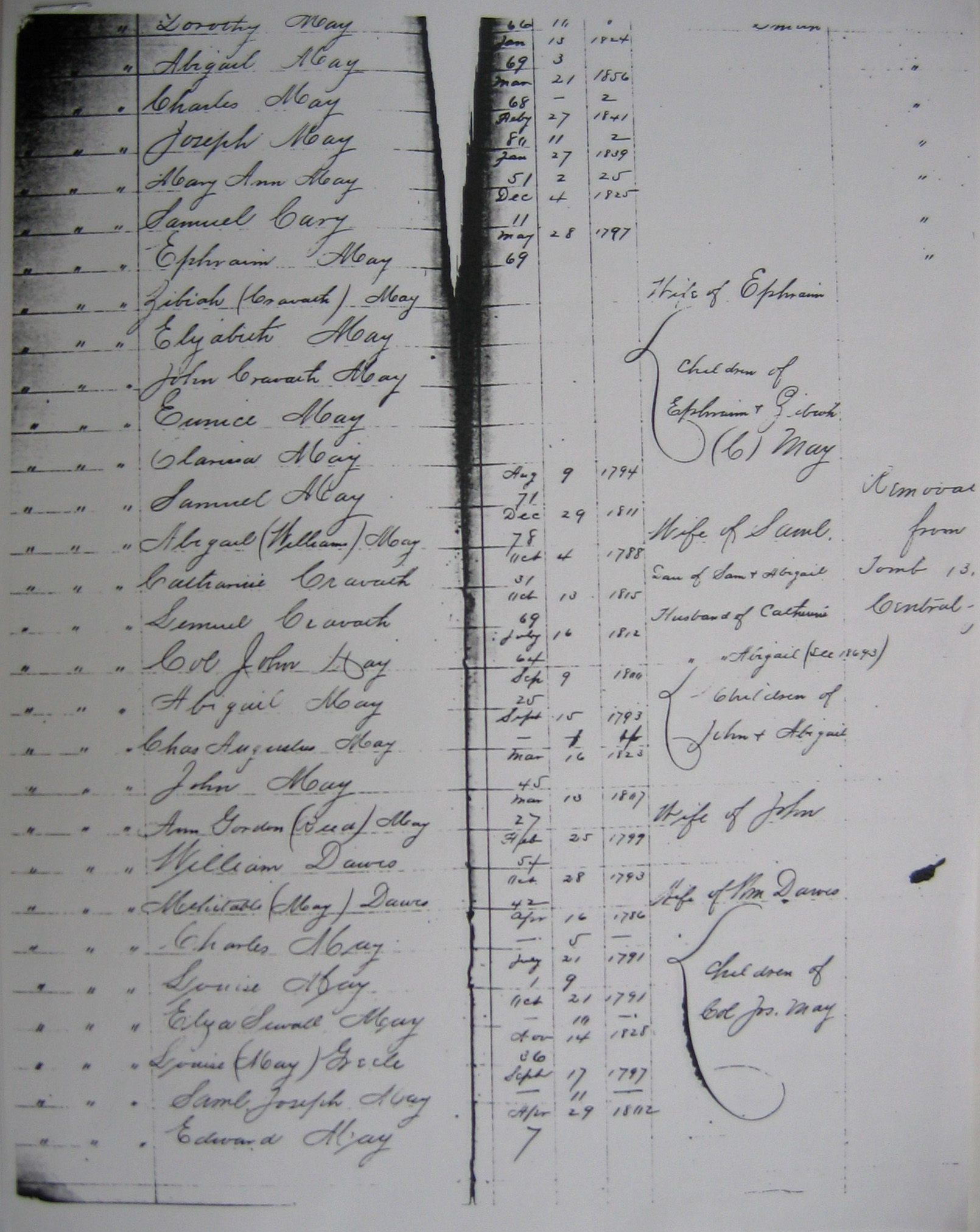
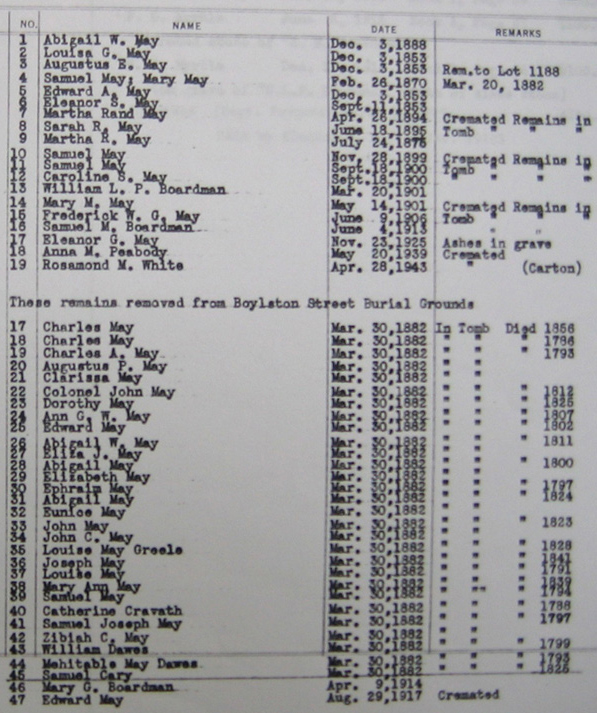
- The most dramatic document — one that "made his heart stop", according to Maze — is a handwritten ledger recording the ages, dates of death, and dates of interment in the May tomb. Here, well down a long list of Mays, is "William Dawes", aged 54, date of death February 25, 1799, and "Mehitable (May) Dawes", aged 42, "wife of Wm Dawes", date of death October 28, 1793. At the right-hand margin of the ledger is the following written comment: 'Removal from Tomb 131 Central B. G.'
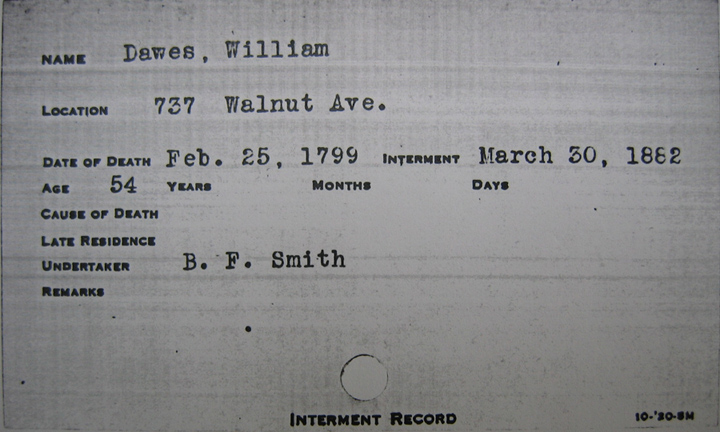
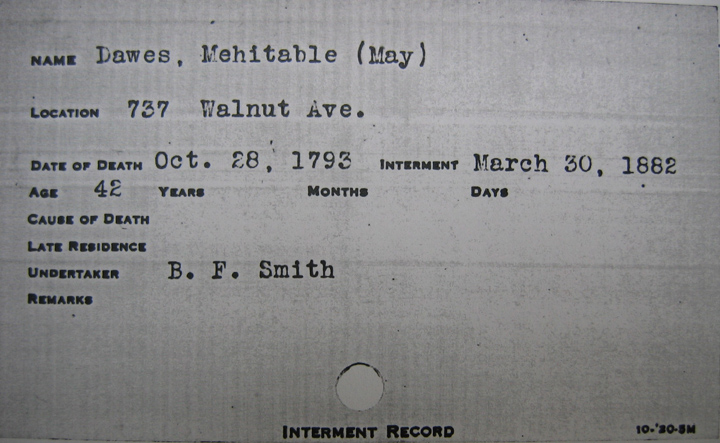
- Supporting the ledger entries are two index cards on which is typed the information in the ledger.
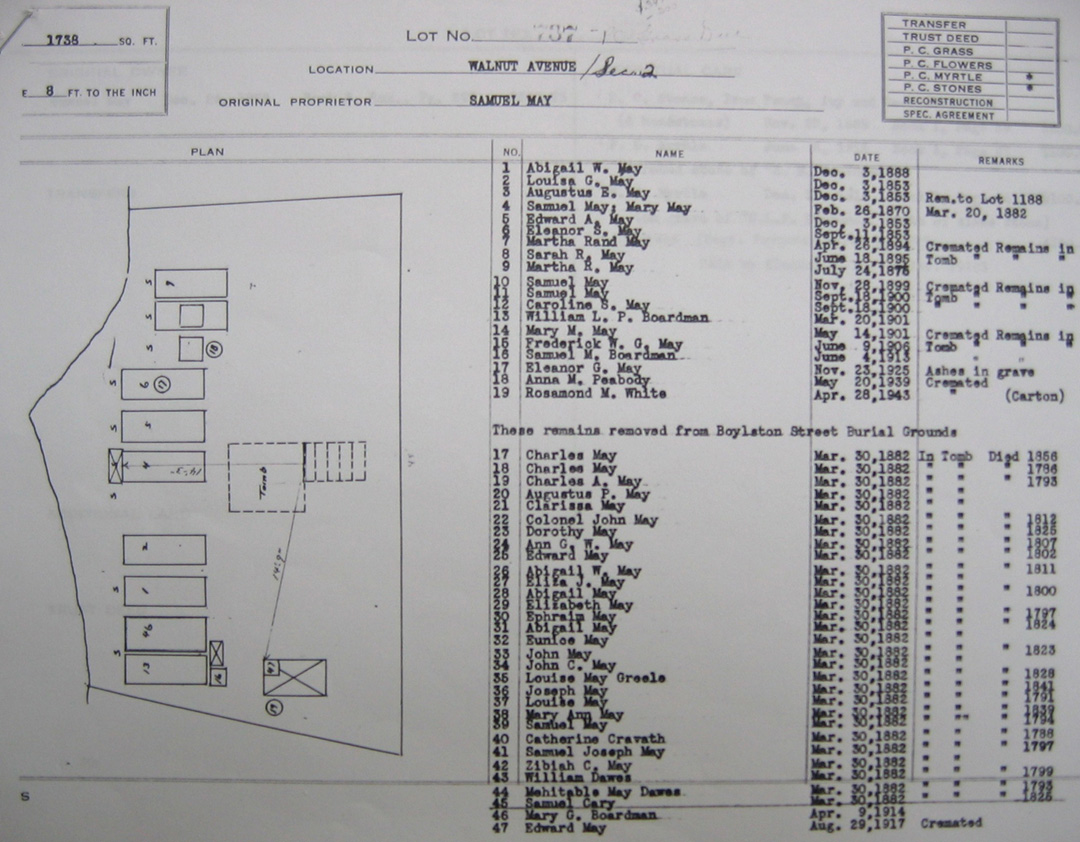
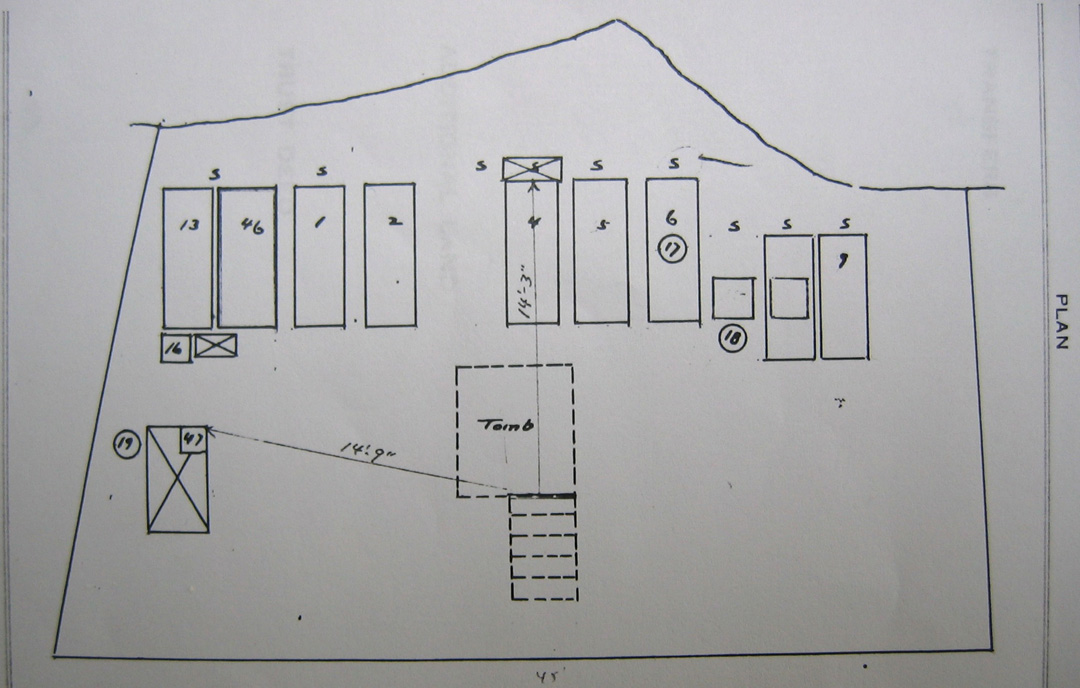
- The third document is a record of lot number 737. This record includes a list of all buried on the lot, including those interred on March 30, 1882, with the note, "These remains removed from Boylston Street [Central] Burial Grounds". This list includes the names William and Mehitable. The record also has a sketch of the large May family area, showing the subterranean tomb containing those brought over and interred as a group in 1882.
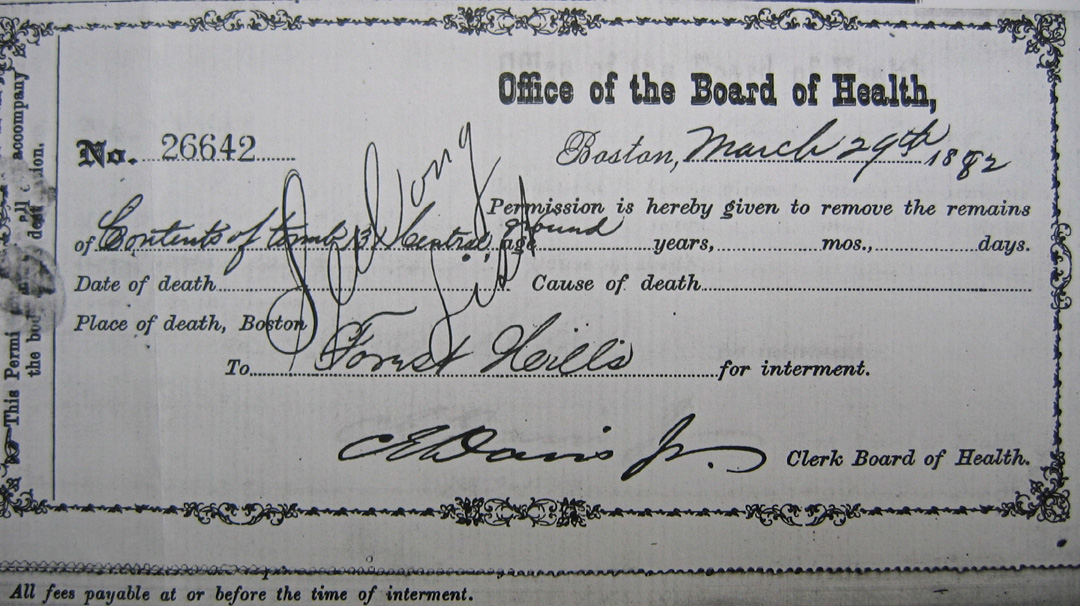
- Finally, Forest Hills files contain a certificate from the Boston Board of Health, dated March 29, 1882, reflecting the transfer of the May tomb from the Central Burying Ground to Forest Hills.
🔗Forest Hills ledger
🔗Forest Hills index cards
🔗Forest Hills lot record
🔗Boston Board of Health certificate
At last, we have clear evidence of William Jr.'s burial location, and we know with near certainty the three places where William Jr. has rested for over two centuries! We can bring this cold case to conclusion.
But wait! There is one more historical twist of fate, this one involving Dr. Joseph Warren, the patriot who had dispatched William Dawes on his ride on April 18, 1775. Warren died only two months later, in June, 1775, at the Battle of Bunker Hill (Breed's Hill). He was first buried by the British on the spot. Later, his body was exhumed and moved to the Granary Burying Ground in Boston, and later again, in 1824, to the family vault under St. Paul's cathedral. But that was not the last of Dr. Warren's post-mortem travels. In 1855, his remains were moved for the third and last time, and to no other than Forest Hills Cemetery! Today, William Dawes and Joseph Warren lie some 200 feet from one another, close in death as they were in life.
We are much indebted to the two historians who developed the information that led to the solution to this case. Al Maze is a particular authority on Forest Hills Cemetery and the many noteworthy persons buried there. Charlie Bahne was our tour guide for the 2003 Dawes reunion in Boston, and he is able to answer any and all questions on matters Boston, Cambridge, Lexington, and no doubt much else besides. Charlie teaches a large number of Road Scholar (formerly Elderhostel) courses about Boston and the American revolution. His guidebook, The Complete Guide to Boston's Freedom Trail, is available through Meet Boston or Old North. Charlie has done extensive research on the Dawes family, all of which he has shared with us freely and without reservation.